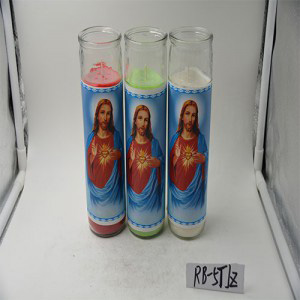
funeral candles
The Symbolism and Significance of Funeral Candles In various cultures around the world, candles have long been used in a myriad of rituals and traditions, and among these, funeral candles hold a particularly poignant place. The act of lighting a candle in remembrance of a loved one is not merely a gesture; it is a profound symbol of hope, reflection, and spiritual connection. This article aims to explore the meaning behind funeral candles, their historical usage, and their role in the grieving process. The Historical Context The tradition of using candles during funerals can be traced back to ancient civilizations. In many cultures, fire symbolizes the life force and serves as a bridge between the physical and spiritual worlds. The flickering flame of a candle represents the soul of the deceased, believed to guide them to the afterlife. Whether used in Christian, Buddhist, or pagan rituals, candles have been integral in honoring the deceased and providing comfort to the living. In Christian tradition, candles are often lit during wake services and funerals. The practice is deeply rooted in the belief that Christ is the light of the world, and lighting a candle is an invocation of His presence. The lighting of a funeral candle often signifies the eternal soul, suggesting that while the body may perish, the spirit continues on. Grief and the Role of Candles The grieving process can be incredibly isolating, and finding ways to remember and connect with the deceased can be vital for healing. Funeral candles offer a tangible way to channel emotions, serve as an avenue for reflection, and create a sense of peace. The simple act of lighting a candle invites family and friends to gather, share stories, and honor the memory of the loved one who has passed. funeral candles For many, lighting a candle can be an intimate ritual—carried out at home or during a memorial service. It allows for a moment of pause, a meditative space to remember the person lost. The gentle glow acts as a reminder of their light in our lives and the impact they had on those around them. In some cultures, candles are lit on anniversaries of a loved one's death or during significant holidays, emphasizing the importance of remembrance and continuity. The Symbolism of Light and Darkness The contrast of light and darkness is powerfully captured through the use of candles at funerals. Light inherently represents hope and remembrance, while darkness signifies loss and grief. By lighting a candle, mourners bring light into a moment of darkness, making it a symbolic act of transformation. This melding of light and dark resonates deeply, illustrating how love endures even in the face of loss. Moreover, candles are often used in ritualistic ways during memorial services. For instance, some ceremonies involve each participant lighting a candle in memory of the deceased, forming a circle of light that signifies community and collective remembrance. This practice not only honors the departed but also creates a supportive environment for those left behind, fostering a sense of shared experience in the grieving process. Conclusion Funeral candles are so much more than mere decorative elements; they are symbols of love, memory, and healing. Their warm glow serves as a beacon of hope amidst sorrow, reminding us that while our loved ones may be gone, their spirit continues to illuminate our lives. The act of lighting a candle becomes a meditative practice—inviting connection, reflection, and a sense of peace. In our busy lives, taking a moment to light a funeral candle can offer solace, providing a lasting tribute to those we have lost. As the flame flickers, so too does the memory of the person we cherish—forever preserved in our hearts, guiding us through the darkness with its enduring light. Thus, whether used in formal ceremonies or private remembrances, funeral candles endure as a timeless tradition that speaks to our yearning to honor, remember, and keep the spirit of our loved ones alive.
















 +8613838384866
 sales18@litbright.com(Aromatherapy)




 Send Email
 WhatsApp